Common Mistakes Homeowners Make With DIY Hardwood Floor Installation
Homeowners seeking to avoid common mistakes with DIY hardwood floor installation can benefit from local contractors who specialize in professional, hassle-free flooring services.
Homeowners considering a DIY hardwood floor installation often discover that certain mistakes can lead to costly and time-consuming issues down the line. Whether it's improper subfloor preparation, choosing the wrong type of hardwood, or neglecting acclimation processes, these common errors can compromise the durability and appearance of the finished floor. For property owners in the area, understanding these pitfalls is essential to ensure a successful project that enhances the home’s value and aesthetic appeal. Exploring this topic can provide practical insights and highlight how local contractors with experience in hardwood flooring can help avoid these mistakes, delivering results that stand the test of time.
Keeping informed about the typical errors made during DIY hardwood floor installation can save property owners from unnecessary frustration and repair costs. Many homeowners discover that professional service providers are equipped to handle the complexities involved, from precise measurements to proper installation techniques. By learning about these common mistakes, readers can better evaluate when to seek assistance from local service providers who specialize in hardwood flooring installation. This knowledge empowers property owners to make informed decisions, ensuring their investment results in a beautiful, long-lasting floor without the headaches often associated with DIY projects.
- homeowners may need professional hardwood floor installation services when they want to avoid common mistakes like improper subfloor preparation, which local contractors can handle with proper assessment. - those attempting DIY hardwood flooring might encounter issues with incorrect acclimation, and local service providers can ensure proper environment adjustments for a successful install. - if uneven or poorly aligned flooring becomes a concern, local pros can use precise techniques to achieve a smooth, professional finish that DIY efforts often lack. - homeowners who struggle with selecting the right materials or finishing techniques can rely on local contractors to provide expert guidance and proper application. - when issues like inadequate expansion gaps or improper fastening arise, local professionals can implement best practices to prevent costly mistakes and ensure durability.
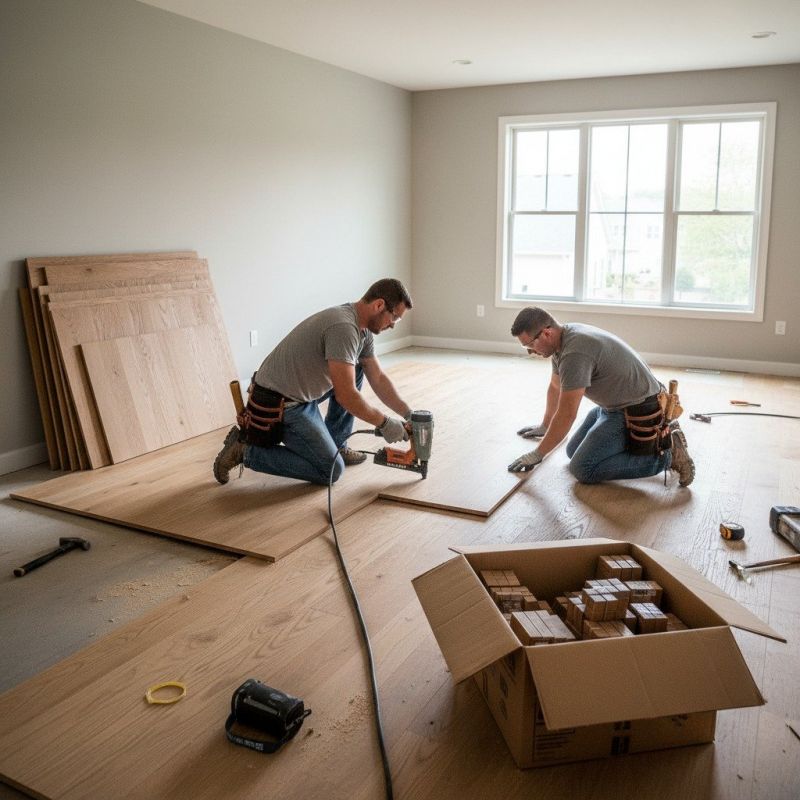
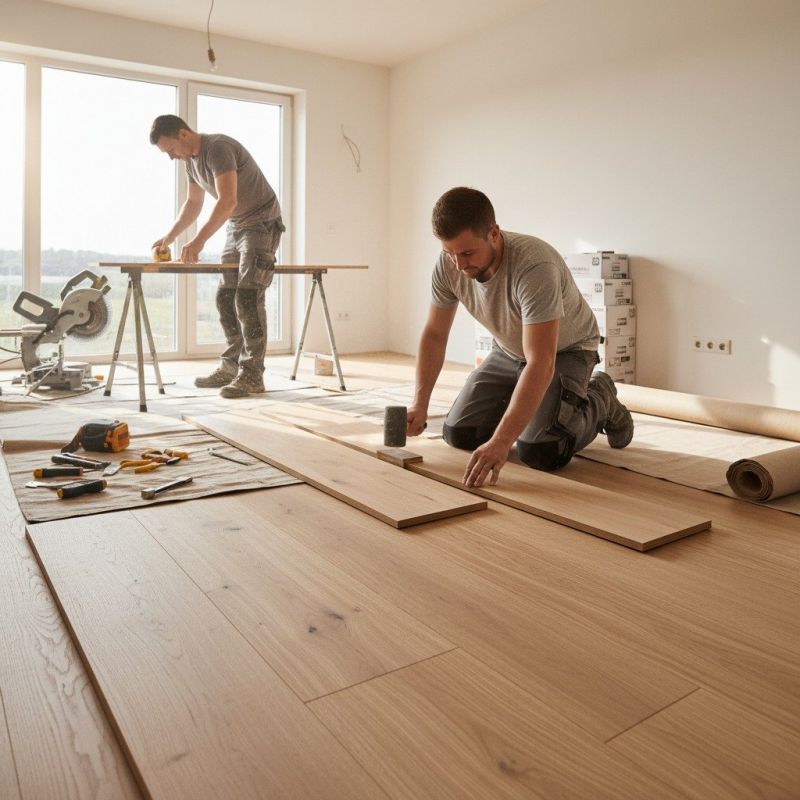
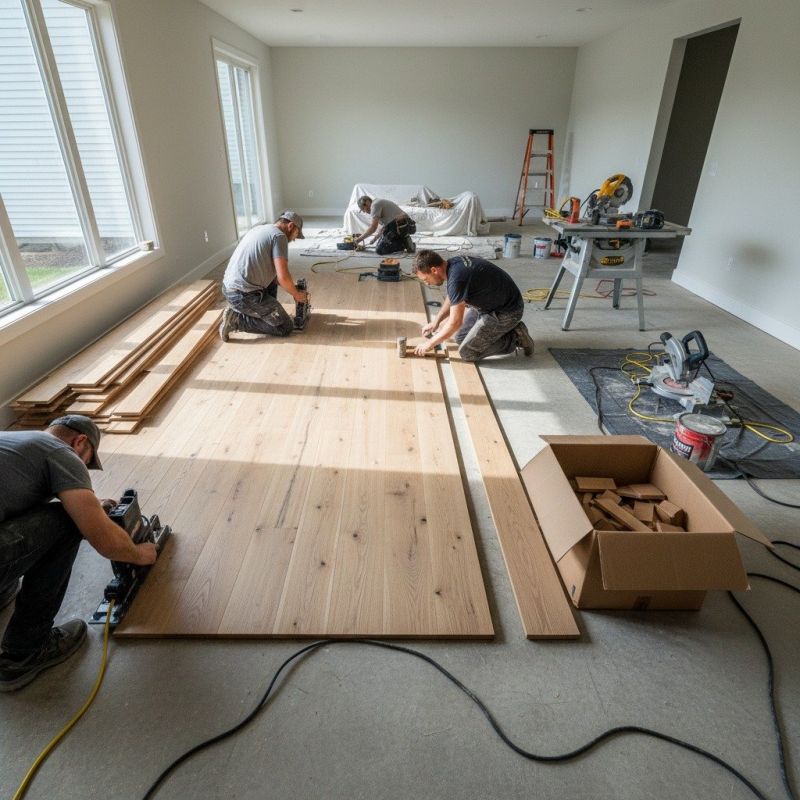
When homeowners search for information on common mistakes with DIY hardwood floor installation, they often want to understand the typical pitfalls that can occur during a project they plan to do themselves. This topic relates to various plans, including upgrading or renovating a home’s interior, increasing property value, or simply refreshing worn flooring. Many homeowners are exploring whether they can save money by handling the installation independently, but they may not fully grasp the technical complexities involved. Recognizing these common errors helps homeowners anticipate challenges and decide when to seek help from experienced service providers who can ensure the job is done correctly the first time.
This subject frequently comes up in the context of properties that have existing flooring, such as older homes or rental units, where the subfloor may require specific preparation, or newer constructions where precise measurements are critical. Homeowners often relate to this topic when considering installing hardwood in living rooms, bedrooms, or open-concept spaces. The types of properties that typically feature these projects include single-family houses, townhomes, or condos, where the layout and subfloor conditions can influence the success of DIY installation. Understanding the common mistakes helps homeowners see how proper planning and execution are essential, and how local contractors with experience in hardwood flooring can provide valuable expertise.
Many homeowners underestimate the importance of proper subfloor preparation, which is a frequent source of mistakes in DIY hardwood floor installation. Issues like uneven surfaces, moisture problems, or inadequate leveling can cause the flooring to warp, creak, or even buckle over time. These problems often stem from a lack of familiarity with the specific requirements for different types of subfloors and moisture barriers. When homeowners try to skip or rush this step, they risk compromising the durability and appearance of their new floors. Local service providers specializing in hardwood installation are equipped to assess subfloor conditions accurately and perform necessary repairs or preparations, helping to avoid these costly mistakes.
Another common mistake involves improper acclimation of the hardwood planks before installation. Many DIY enthusiasts overlook the importance of allowing the wood to adjust to the indoor environment, which can lead to issues like gaps, buckling, or cupping later on. This oversight often results from a misunderstanding of how humidity and temperature affect wood expansion and contraction. Homeowners who attempt to install hardwood without proper acclimation may find that their floors develop problems shortly after completion. Connecting with experienced local contractors can ensure the hardwood is properly stored and acclimated, reducing the risk of these common installation errors and ensuring a more stable, long-lasting floor.
Subfloor Preparation - proper subfloor prep is essential for hardwood flooring, and local contractors experienced in subfloor assessment can help prevent installation mistakes common in DIY projects.
Measuring and Layout - accurate measurements and planning are critical, and service providers can assist with layout design to avoid uneven or misaligned floors.
Material Selection - choosing the right hardwood and underlayment is vital, with local experts able to recommend suitable products and avoid common material-related errors.
Moisture Testing - moisture issues can cause flooring problems, and professional testing from local contractors ensures proper acclimation and installation conditions.
Tools and Equipment - using the correct tools is crucial, and local service providers can supply or recommend equipment to ensure proper installation and avoid damage.
Finishing and Sealing - proper finishing techniques are key to durability, with experienced professionals able to deliver a high-quality finish that DIYers might overlook or mishandle.
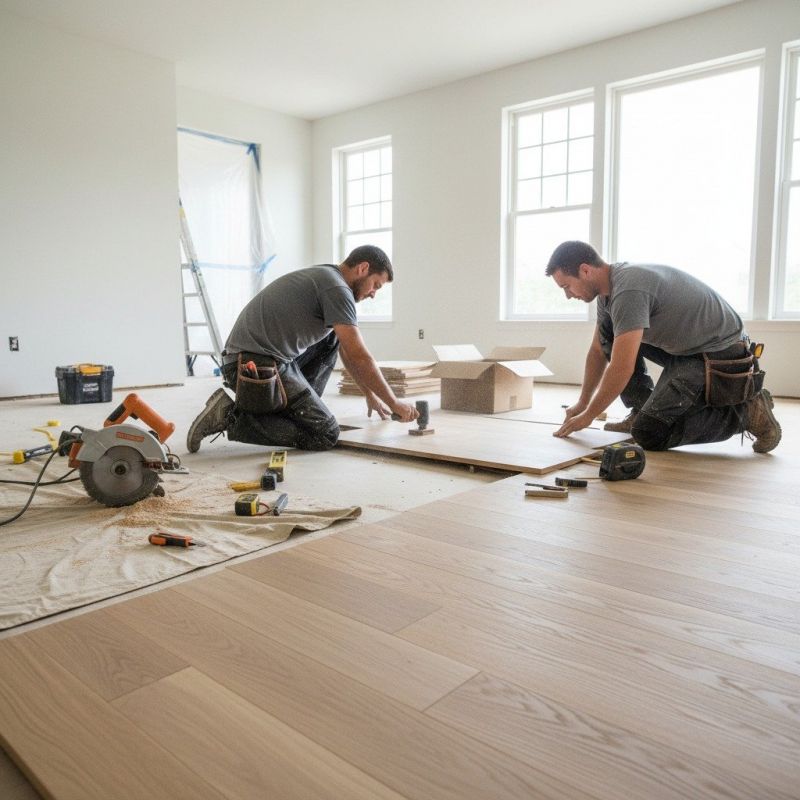
When comparing local contractors for hardwood floor installation, it’s important to consider their experience with similar projects. Homeowners should seek service providers who have a proven track record of successfully completing hardwood flooring jobs comparable in scope and style. An experienced contractor will be familiar with common pitfalls associated with DIY hardwood floor installation and can offer insights that help avoid costly mistakes. Verifying a contractor’s background in handling projects like the one at hand can provide confidence that the work will be performed with the necessary skill and understanding.
Clear written expectations are essential when evaluating potential service providers. Homeowners should look for contractors who are willing to outline the scope of work, materials to be used, and the timeline in a detailed, written format. This helps prevent misunderstandings and ensures that both parties are aligned on project goals. Good communication throughout the process is equally important, as it allows homeowners to ask questions, receive updates, and address any concerns promptly. Service providers who prioritize transparency and clarity can help ensure the project proceeds smoothly and reduces the chances of common mistakes with DIY hardwood floor installation.
Reputable references and reviews are valuable tools when selecting local contractors. Homeowners should inquire about previous clients or seek out reviews that speak to the contractor’s professionalism, quality of work, and ability to communicate effectively. Reliable references can provide insights into how well a service provider manages projects, adheres to deadlines, and handles unforeseen issues. Choosing a contractor with a solid reputation and positive feedback can contribute to a more successful flooring installation, helping homeowners avoid common errors that often occur when attempting a DIY approach without proper experience or guidance.
Property owners often search for common mistakes homeowners make with DIY hardwood floor installation when they are planning practical projects around their homes and businesses. Local pros provide Hardwood Floor Installation services for everyday jobs and straightforward project options.
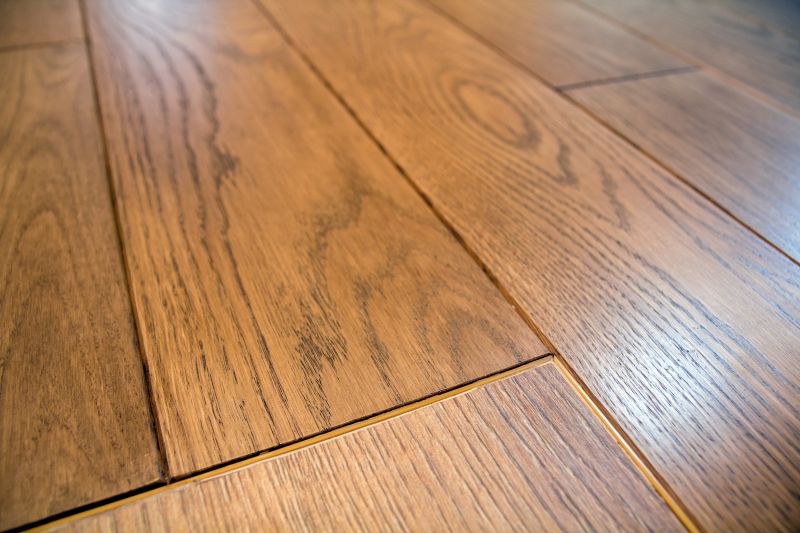
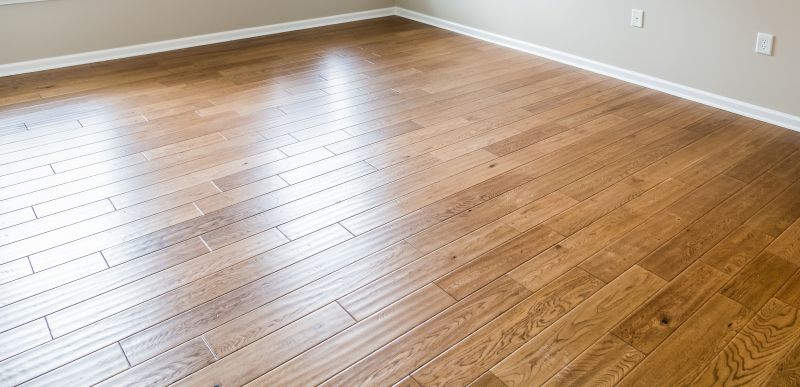
Homeowners attempting DIY hardwood floor installation often encounter pitfalls that can lead to uneven surfaces, gaps, or buckling down the line. Common mistakes include failing to properly acclimate the wood before installation, which can cause expansion or contraction after the floors are laid. Additionally, overlooking the importance of a solid, level subfloor can result in an uneven finish that requires costly corrections. Many property owners in the area might look up this topic after experiencing issues with their floors or realizing that a project is more complex than it initially appeared, prompting them to seek the expertise of local contractors who specialize in professional hardwood floor installation.
Another frequent error involves improper spacing and nailing techniques, which can cause boards to shift or squeak over time. DIYers may also neglect to leave appropriate expansion gaps around the perimeter of the room, leading to buckling or warping as the wood responds to temperature and humidity changes. These simple mistakes can compromise the longevity and appearance of the floors, making it beneficial for property owners to consider the skills and tools that local service providers bring to the table. Connecting with experienced contractors can help ensure that hardwood floors are installed correctly the first time, avoiding common pitfalls and ensuring a durable, attractive result.
What is a common mistake homeowners make when preparing subfloor surfaces? Many overlook the importance of ensuring the subfloor is clean, level, and dry, which can lead to uneven flooring and gaps. Hiring experienced service providers can help ensure proper subfloor preparation for a smooth installation.
Why is choosing the wrong type of hardwood flooring a mistake? Selecting flooring that doesn't suit the room's usage or environment can cause issues like warping or damage. Local contractors can recommend the best flooring types based on the space and conditions.
How does improper acclimation affect DIY hardwood floor installation? Failing to acclimate the hardwood planks to the room's humidity and temperature can result in expansion or contraction after installation. Professional installers know how to properly acclimate materials to prevent these problems.
What mistake is made when ignoring expansion gaps? Not leaving adequate space around the edges for expansion can cause buckling or warping over time. Experienced service providers ensure proper gap installation for long-term stability.
Why is rushing the installation process a common mistake? Rushing can lead to improper fitting, uneven surfaces, or damage to the flooring. Local contractors follow best practices and take the necessary time to ensure a quality, durable result.
Skipping proper subfloor preparation - ensuring the subfloor is clean, level, and dry helps prevent issues like uneven surfaces and future buckling, which local contractors can expertly handle.
Ignoring acclimation of hardwood planks - allowing flooring materials to adjust to the home's environment reduces the risk of expansion or contraction after installation, a task best managed by experienced service providers.
Neglecting correct installation techniques - improper nailing, gluing, or spacing can lead to gaps and damage, making professional installation services a reliable choice for a smooth, long-lasting finish.
Overlooking the importance of proper finishing - applying the right sealants and finishes protects the hardwood and enhances appearance, with local contractors providing expert guidance on finishing options.
If you are thinking about common mistakes homeowners make with DIY hardwood floor installation for a property, this guide is meant to help you understand this topic, the typical project types, and how different options might fit your plans.
When you are ready, you can use the quote form on this page to share a few details about your project. From there, local pros can review the basics and follow up with options that match what you have in mind.