Hardwood Floors Installation vs. Engineered Wood Flooring
People searching for hardwood or engineered flooring installation are typically looking to upgrade or replace their floors, and local contractors can help them choose and install the best option for their space.
Deciding between hardwood floors installation and engineered wood flooring is a common consideration for property owners looking to enhance their space. Whether renovating a single room or outfitting an entire home, understanding the differences can help make an informed choice that suits both aesthetic preferences and practical needs. Local contractors specializing in flooring can provide valuable insights into which option aligns best with a property’s structure, lifestyle, and long-term goals, ensuring a durable and attractive result. This page offers practical guidance to help navigate these choices, so readers can confidently explore their flooring options and connect with trusted service providers in the area.
For property owners in the local area, exploring the nuances of hardwood floors installation versus engineered wood flooring can lead to smarter decisions based on the specific demands of their space. Factors such as moisture levels, subfloor conditions, and installation complexity play a role in determining the best approach. Local service providers who specialize in flooring installation are equipped to evaluate these factors and recommend solutions tailored to each property. Keep reading to discover the key differences and practical considerations that can influence the choice, and learn how local experts can help bring the ideal flooring to life.
- Hardwood floors installation - is ideal for homeowners seeking a durable, long-lasting flooring option and local contractors who specialize in traditional hardwood setup.
- Engineered wood flooring installation - is suitable for spaces with moisture concerns or uneven subfloors, with service providers experienced in adapting to various subfloor conditions.
- Hardwood floors installation - may be chosen for aesthetic preferences toward natural wood grain, with local pros focusing on precise fitting and finishing techniques.
- Engineered wood flooring installation - is often preferred for quick installation and stability, with service providers ensuring proper acclimation and secure fastening.
- Hardwood floors installation - is recommended for areas where a classic, authentic look is desired, with local contractors offering expert sanding and finishing services.
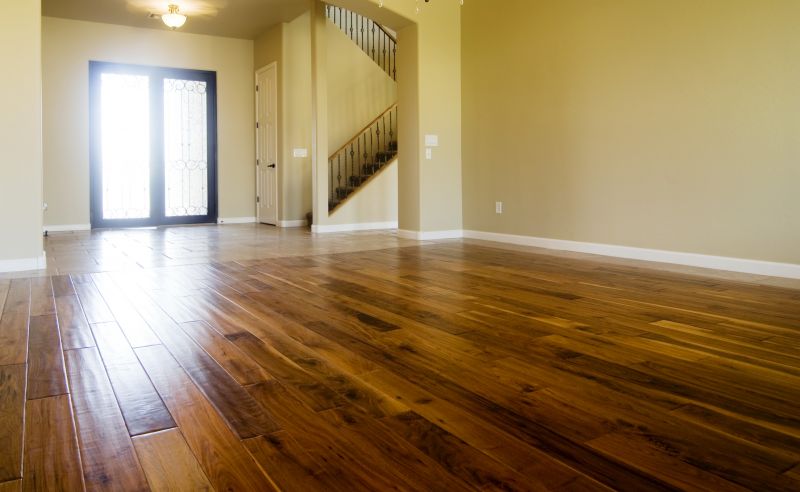
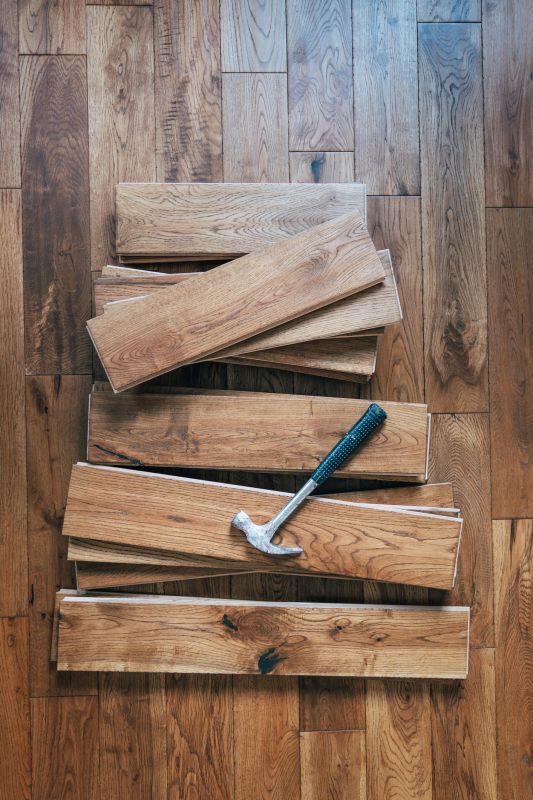
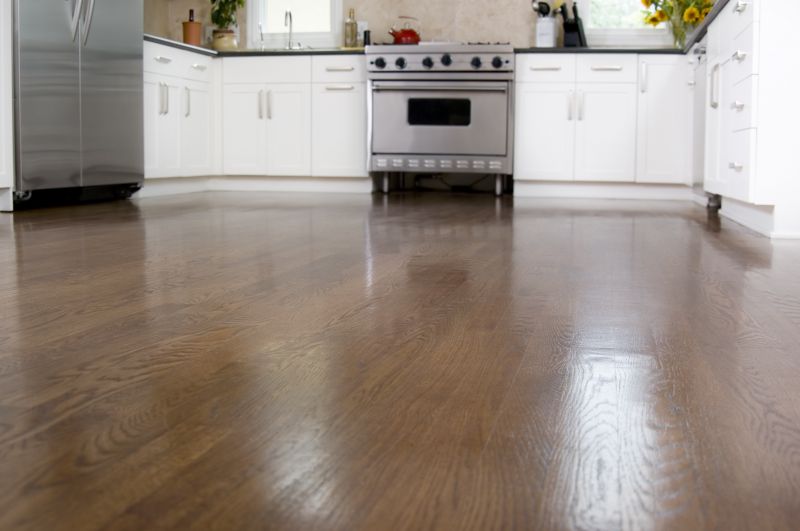
When homeowners search for information about hardwood floors installation versus engineered wood flooring, they are often trying to understand the fundamental differences between these two popular flooring options. This comparison typically comes up when planning a new floor for a residential property, whether it's a whole-house renovation or a single room upgrade. People usually want to know which type offers better durability, aesthetic appeal, and suitability for their specific space. The decision often hinges on factors like the existing subfloor, moisture levels, and long-term maintenance, making it essential to connect with experienced local contractors who can evaluate the property and recommend the best solution.
This topic relates closely to common property improvement projects where the goal is to enhance the look, value, and functionality of a home. Homeowners may be facing issues such as uneven floors, moisture concerns, or the desire for a natural, classic appearance. They might also be planning a renovation in spaces with varying humidity levels, like basements or kitchens. Understanding the distinctions between hardwood floors installation and engineered wood flooring helps homeowners determine which option aligns with their long-term plans and property conditions. Local service providers can assist by providing insights based on the specific characteristics of the property and helping choose the most appropriate flooring type.
The types of properties that typically come up in this comparison include older homes with existing wood subfloors, new constructions with concrete slabs, or areas prone to moisture exposure. For example, hardwood floors installation is often favored in living rooms and bedrooms with stable, dry conditions, where the natural wood can be fully appreciated. Engineered wood flooring, on the other hand, is frequently recommended for spaces with higher humidity or where a more stable material is needed to prevent warping or expansion. Homeowners should consider the property's layout and environmental factors when deciding between these options, and local flooring contractors are well-equipped to evaluate these aspects and recommend suitable solutions.
Ultimately, choosing between hardwood floors installation and engineered wood flooring depends on practical considerations related to the property’s environment and the homeowner’s aesthetic preferences. Many projects involve balancing the desire for authentic, natural wood appearances with the realities of installation conditions and future maintenance. Homeowners can benefit from consulting with local flooring service providers who understand the nuances of each option and can help navigate the decision-making process. Connecting with experienced local contractors ensures that the chosen flooring type will meet the specific needs of the property, providing a durable and attractive finish that aligns with the homeowner’s plans and expectations.
Subfloor Preparation - proper subfloor assessment and preparation skills are essential for both hardwood and engineered wood flooring installations, ensuring a stable and long-lasting surface by local contractors.
Floor Leveling Projects - leveling uneven subfloors is a common task that requires similar tools and planning as hardwood and engineered flooring projects, often handled by the same local service providers.
Finish Carpentry - installing baseboards, moldings, and thresholds complements hardwood and engineered flooring work, requiring precise carpentry skills that local pros frequently provide.
Underlayment Installation - selecting and installing appropriate underlayment is crucial for both types of flooring to improve stability, soundproofing, and moisture resistance, and is performed by local contractors.
Floor Repair and Refinishing - repairing damaged wood surfaces or refinishing existing floors shares techniques and tools with new hardwood or engineered flooring installation, often handled by the same local pros.
Moisture Barrier Application - applying moisture barriers is a key step for flooring projects, especially in areas prone to moisture, requiring similar planning and materials used by local service providers.
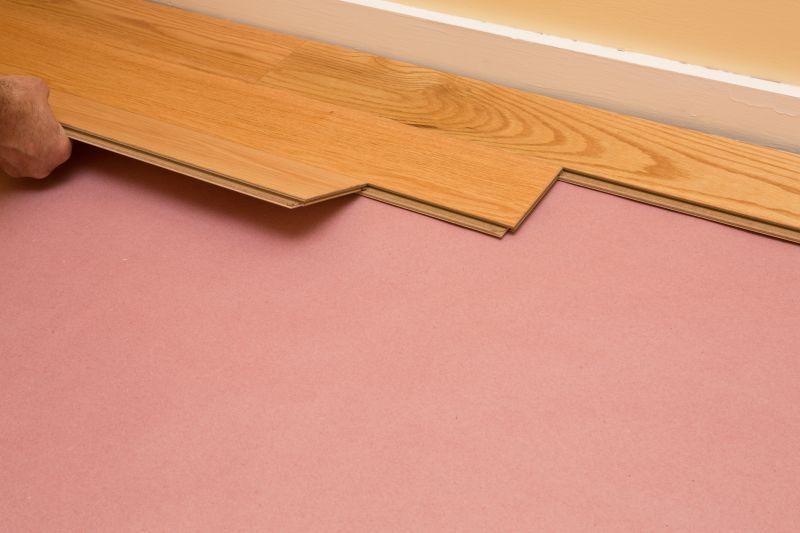
When comparing service providers for hardwood floors installation versus engineered wood flooring, it’s important to evaluate their experience with similar projects. Homeowners should inquire whether the local contractors have successfully completed installations of both hardwood and engineered flooring in environments comparable to their own homes. An experienced professional will understand the nuances of each flooring type, including surface preparation, acclimation, and finishing techniques, ensuring the project is handled with expertise. Checking references or reviews from previous clients who have had comparable work done can provide insight into a contractor's familiarity with the specific requirements of each flooring option, helping to gauge their capability to deliver quality results.
Clear, written expectations are essential when choosing a service provider for either hardwood or engineered wood flooring installation. Homeowners should seek contractors who can provide detailed estimates that outline the scope of work, materials to be used, and the steps involved in the installation process. This clarity helps prevent misunderstandings and ensures that both parties are aligned on project goals. When comparing local contractors, it’s beneficial to ask how they communicate progress and any potential issues during the project, as good communication can lead to a smoother experience and a final result that meets expectations.
Reputable references and strong communication are key factors in selecting the right flooring installation service provider. Homeowners should look for local pros who can offer contact information for previous clients or display portfolios of completed work, giving confidence in their reliability and craftsmanship. Additionally, good communication throughout the process-such as responsiveness to questions and willingness to explain options-can make a significant difference in the overall satisfaction with the project. By prioritizing these qualities, homeowners can feel more confident that the chosen contractor will handle their hardwood or engineered wood flooring installation professionally and attentively.
Get a Quote for Hardwood Or Engineered Flooring Installation
Property owners often search for hardwood floors installation vs. engineered wood flooring when they are planning practical projects around their homes and businesses. Local pros provide Hardwood or Engineered Flooring Installation services for everyday jobs and straightforward project options.
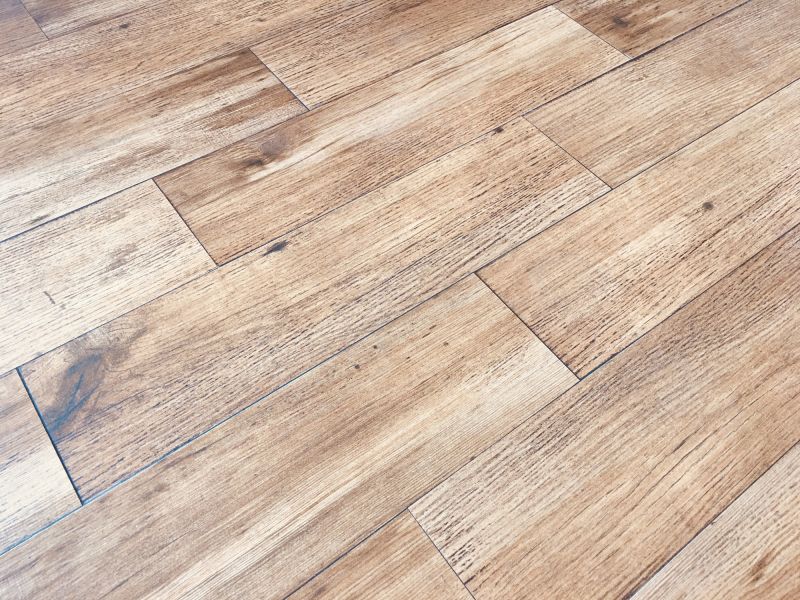

When property owners are considering new flooring options, they often explore the differences between hardwood floors installation and engineered wood flooring. Homeowners might look into this topic when planning a renovation, upgrading their current flooring, or simply trying to understand which material best suits their space and lifestyle. Local contractors who specialize in flooring can provide valuable insights into the advantages and limitations of each option, helping property owners make informed decisions based on their specific needs and preferences.
Many property owners seek out information about hardwood versus engineered wood flooring to determine which solution aligns with their home's conditions and their long-term maintenance plans. Whether they want a classic, authentic look or a more stable, moisture-resistant option, local service providers can offer guidance and professional installation services. By exploring these choices, property owners can find the right flooring type that complements their space, with local experts ready to assist in the installation process.
Get a Quote for Hardwood Or Engineered Flooring Installation
What are the main differences between hardwood floors installation and engineered wood flooring? Hardwood floors installation involves placing solid wood planks directly onto a subfloor, while engineered wood flooring uses layered wood with a top veneer, making it more stable in varying conditions. Local contractors can help determine which option best suits the space and conditions.
Is one type of flooring more suitable for certain areas of a home? Yes, hardwood floors are often preferred for living rooms and bedrooms, whereas engineered wood flooring can perform better in areas with higher humidity or below-grade spaces. Service providers can advise on the best choice based on the specific room conditions.
Can local pros install both hardwood and engineered wood flooring? Absolutely, many local contractors are experienced in installing both types of flooring, allowing homeowners to choose based on their preferences and needs.
What factors should be considered when choosing between hardwood and engineered wood flooring? Consider factors like moisture levels, subfloor type, and desired durability. Local flooring experts can assess the space and recommend the most appropriate flooring type for long-term performance.
Are there differences in installation process between hardwood floors and engineered wood flooring? Yes, hardwood floors typically require more precise installation techniques, while engineered wood flooring can often be installed more quickly and with less preparation. Local service providers can ensure proper installation for each type.
Choosing the Right Flooring Type - property owners can consider the specific needs of their space, such as moisture levels and foot traffic, when deciding between hardwood floors installation and engineered wood flooring services from local contractors.
Assessing Subfloor Compatibility - homeowners can evaluate their existing subfloor conditions to determine whether hardwood or engineered flooring is more suitable, with local pros providing guidance on installation options.
Design and Aesthetic Goals - individuals planning a renovation can explore different styles and finishes available for hardwood and engineered floors to match their interior design preferences, with local service providers offering expert advice.
Long-Term Maintenance Planning - property owners can plan for ongoing care by understanding the durability and maintenance requirements of each flooring type, with local contractors helping establish a suitable upkeep routine.
If you are thinking about hardwood floors installation vs. engineered wood flooring for a property, this guide is meant to help you understand this topic, the typical project types, and how different options might fit your plans.
When you are ready, you can use the quote form on this page to share a few details about your project. From there, local pros can review the basics and follow up with options that match what you have in mind.
Get a Quote for Hardwood Or Engineered Flooring Installation